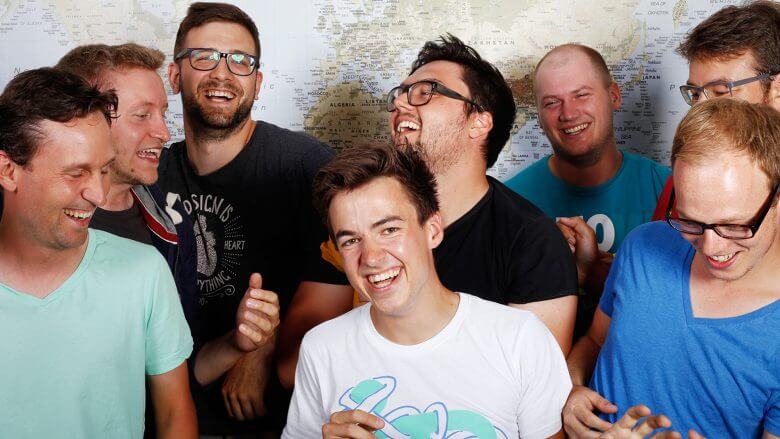
Fifteen years ago, when Flo, Manny, and I started Codeship, we set out with a simple vision: build for the builders. We believed, without really having any proof, that software was the future. I still remember the first time I read Marc Andreessen's Software is Eating the World. We felt vindicated. “See, this smart guy is saying the same thing.”
That might sound silly in 2026, but it felt different when you were a 22-year-old in Austria trying to build a developer tool while everyone told you it wouldn't work, that developers would never pay for anything, and that it would be better if you went back to school. Little did they know, and little did we know.
You can just start a company
When you grow up in Austria, you don't know that starting a company is a thing. You go to school, then you start working, and slowly you work your way up the corporate ladder if you want to achieve something.
Startups also weren't cool back then in the way they are now. Today it feels like everyone wants to start a company. When we started, it seemed like only crazy people did it, and everything we heard confirmed that.
We also had no unfair advantage. When I first came to the US, the other founders we met had all graduated from MIT or Harvard or had some other polished backgrounds. We were average people from the middle of nowhere in Austria. So our strategy was to work harder, be more passionate, and want it more than anyone else. We worked insane hours. I remember yelling at one of my co-founders (not something I am proud of) because he wanted to take a few hours off on a Sunday.
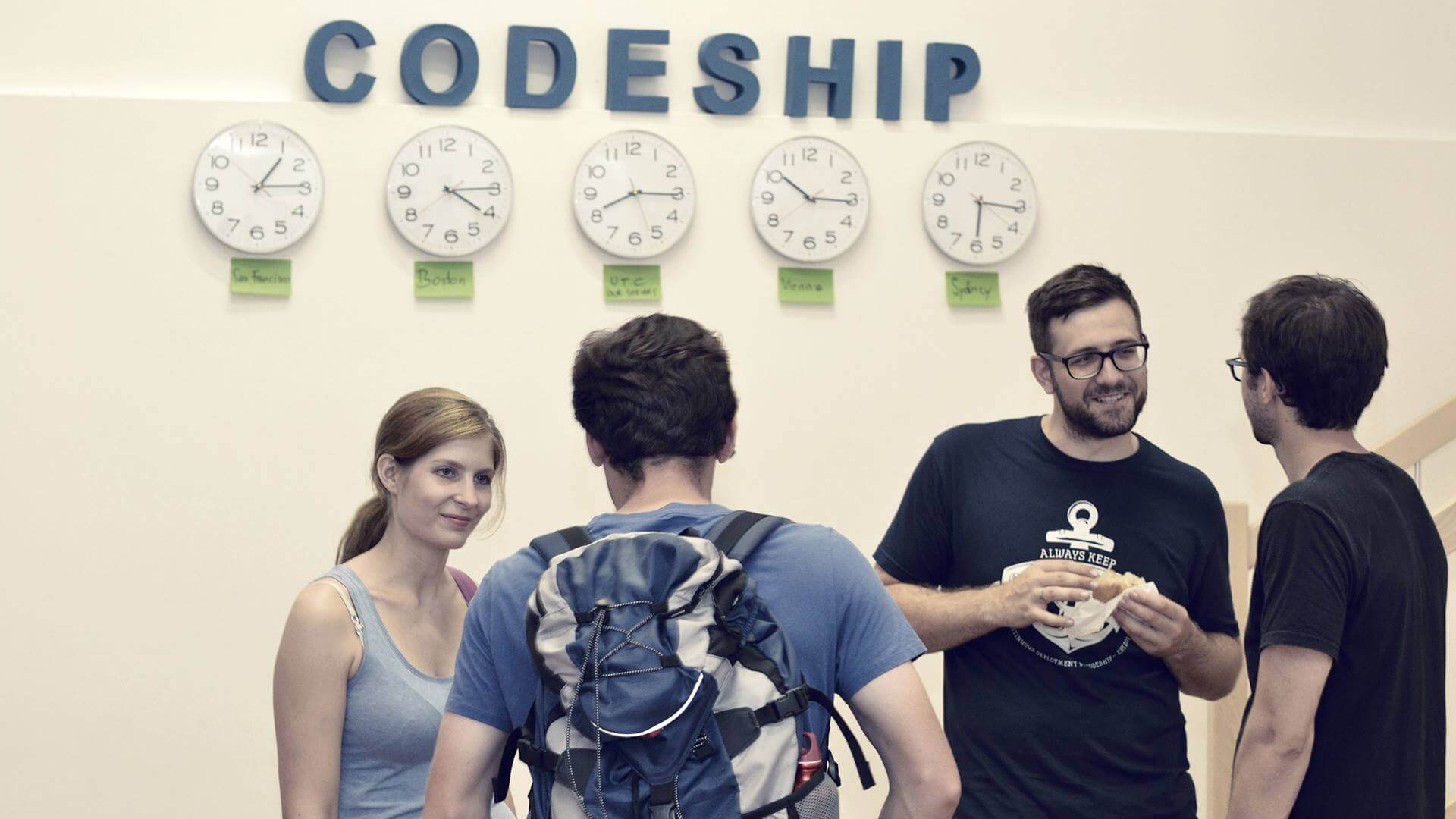
What kept us going was a handful of people in Vienna who believed in us and could see what we were seeing. The other motivation was the internet, where we saw smart people articulating what we felt but didn't have the proof to defend. The Andreessen essay mattered so much to us. Maybe we weren't the only ones. Maybe we were onto something.
Writing is part of building
From the beginning, building for the builders meant more to us than writing code and shipping our product. The world was changing in front of us, and we wanted to argue about it, share our thinking, get smarter, and help other people do the same.
For years, Clemens, one of our engineers, published his “Testing Tuesday” tutorials on our blog with tips and tricks on testing frameworks and CI/CD. His trademark opener, “Ahoy and welcome to Testing Tuesday,” reverberated through our little office every week.
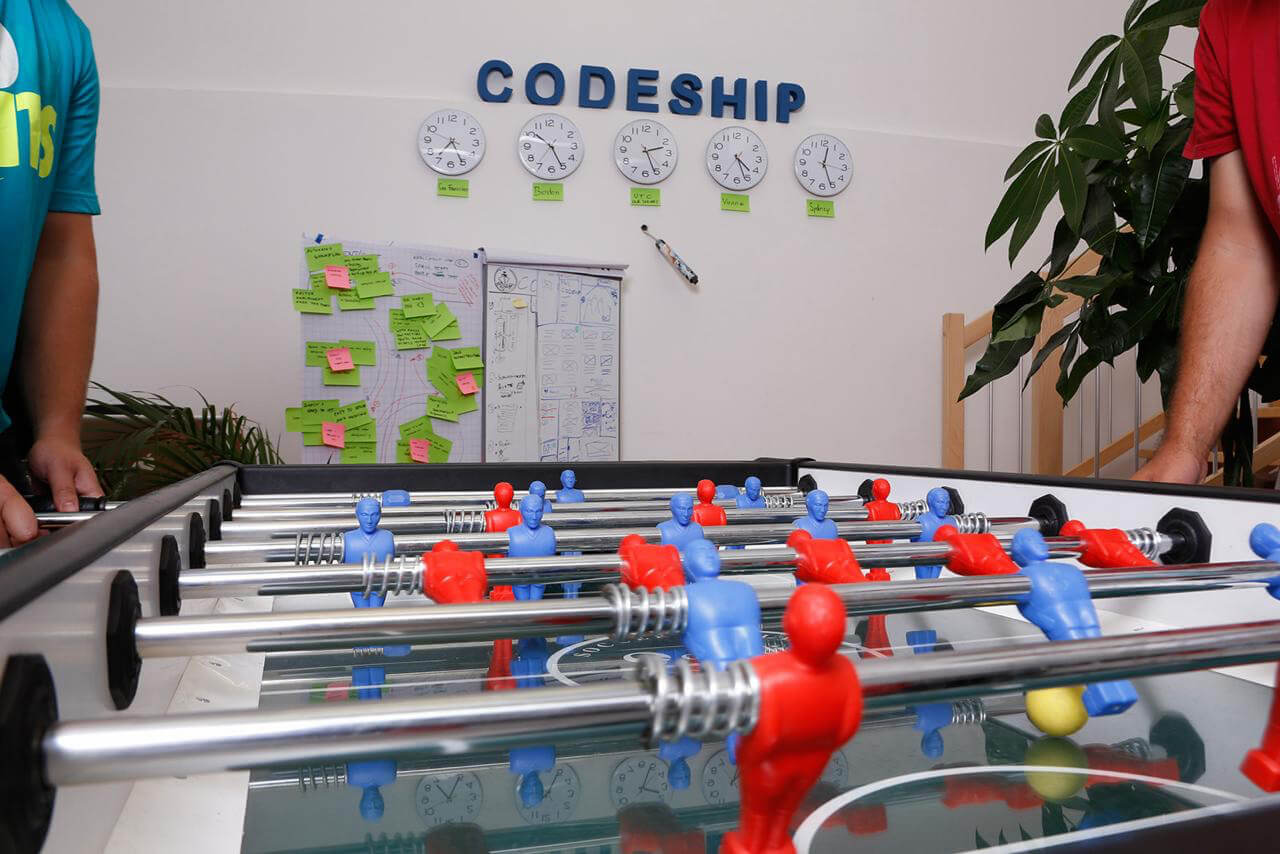
Before publishing anything, we asked if anyone actually needed it. Not if it would rank, not if it would convert, but if a real person would be better off having read it. If the answer was no, we didn't publish it. For a time, our blog and newsletter became more popular than our actual product. We half-joked that we were running a media company.
In retrospect, you could argue that was a mistake. You build a company to win customers, and the product is supposed to be the whole game. But there were a bazillion products out there, and most came and went. We bet on something else: building for the builders meant helping builders get better.
The friction is gone, and that's a good thing
I'm not the kid from Austria anymore wondering whether you can build successful tools for developers. The verdict on that is in. Fifteen years on, “building for the builders” isn't odd or weird. Everyone is doing it. With agentic coding we've got a new gold rush, and everyone's selling shovels.
AI makes building easier and lets far more people do it, which is exactly what we always wanted. Someone with an idea who never studied computer science can now make the thing. If a small problem bothers you, you can use a model and build a solution for it this afternoon, instead of spending years earning the right to try.
When you look at history, technology has been a net positive for humans. We live longer, we're healthier, we have more to eat and warmer places to sleep. It all comes from technology. So if building software gets easier, more software gets built, and more people who have ideas get to act on them. That's an enormous, obvious improvement.
The friction was a filter
When we started building Codeship, caring a great deal wasn't optional. It was the only thing that got you through. Every barrier was a filter. No investors in Vienna understood what we were building. There was no clear path to follow, because nobody around us had walked it. A market everyone insisted didn't exist. Months of unglamorous work to get the product in front of a single paying customer. If you didn't care that much, you quit, because nothing else held you there.
The barriers were frustrating, but they also did some work for us. They selected for people who really wanted something to exist. Now that filter is gone, which means it has to come from you.
You can see what happens when it doesn't. There's an undercurrent where everyone produces a lot more slop. We've all seen it. Websites look the same. Products look the same. Starting a company has become cool enough that starting one is the point, instead of being the vehicle for something you actually wanted to exist.
But we write code for a reason. We build companies for a reason. Most of the products I admire came from someone wanting to change something specific. Yes, you need to make money, because that's how you make the thing real and hire people to help. But when money is the only motivation, the work shows it.
Welcome back, Codeship (as Codeship Labs)
Founders are not good at letting things go, and holding onto something for eight years after you sold it is probably not healthy behavior. But it's also the thing that makes founders useful. To build something from nothing, you have to care about it far past the point where a reasonable person would have stopped.
When we wrote the Codeship Labs Manifesto, we realized the answer had been sitting in our name for fifteen years. Code, ship. We picked it at 22 because it sounded good. It turns out we'd accidentally named the two halves of the job, and only one of them ever got easier.
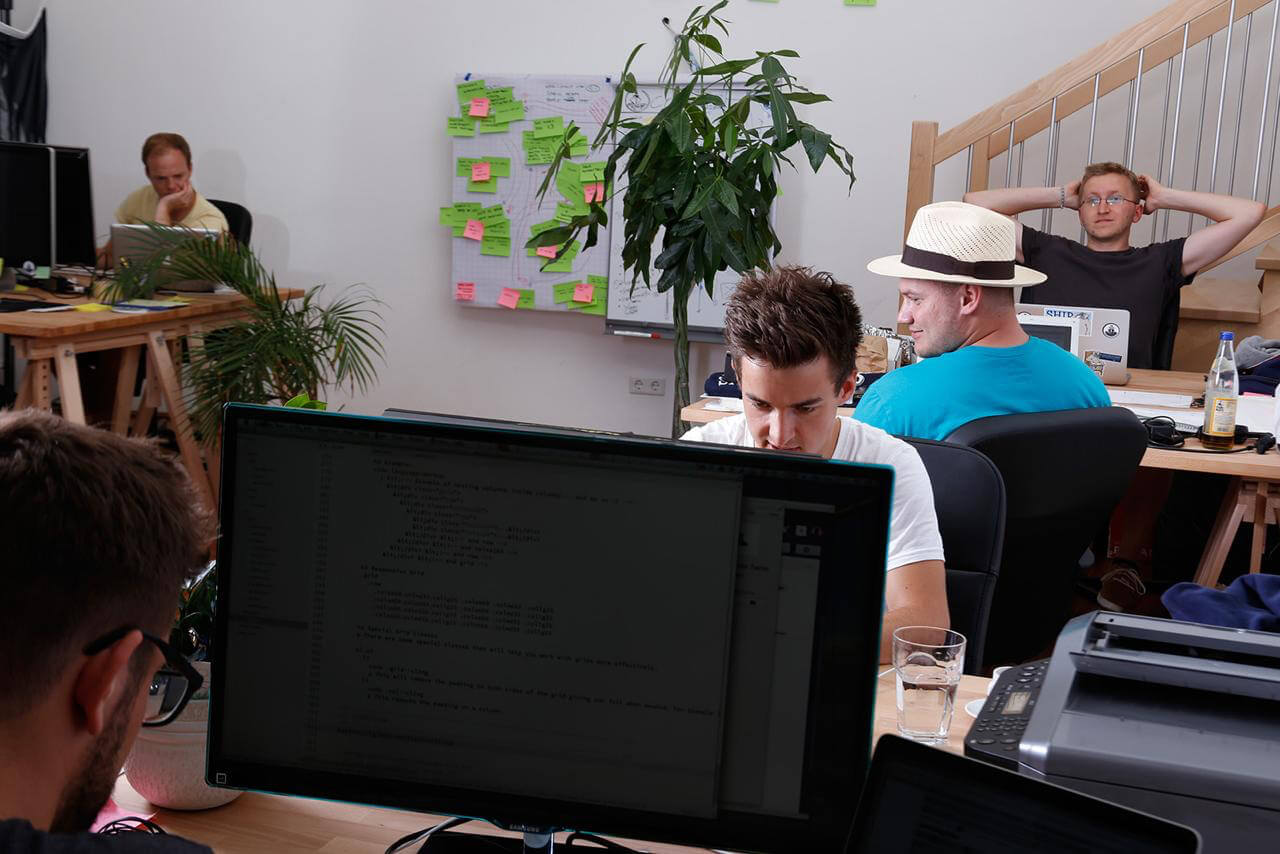
These are the questions I care about now. How do we build when writing code isn't the bottleneck? What does building even mean? How does the craft change if this really is an industrial revolution for software development? And most importantly, who are the builders, why do they keep going, and what do they think about all of this?
That's why we're bringing Codeship back, as Codeship Labs.
It's a place to talk about what you're building and why it matters. I hope it does for you, in some small way, what Software is Eating the World did for me.
Welcome to Codeship Labs.